

Understanding Anxiety: How Therapy Can Help
Anxiety therapy and emotional healing and wellness support in Englewood, Colorado.
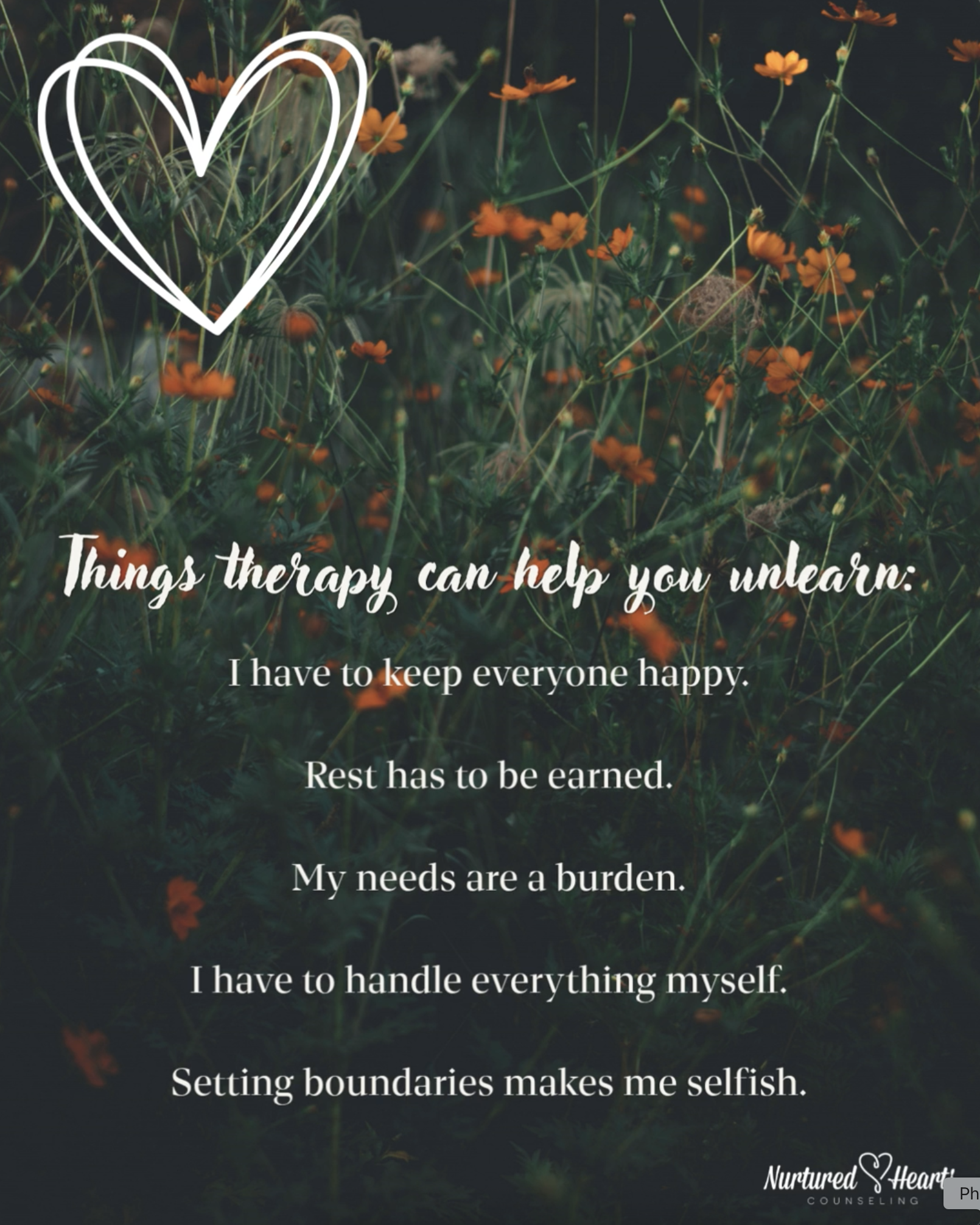
Things Therapy Can Help You Unlearn
Sometimes healing means more than learning something new—it means unlearning the beliefs that have shaped how you see yourself and your relationships. Explore how therapy can help you let go of people-pleasing, guilt around rest, difficulty asking for help, and the belief that setting boundaries is selfish.
“I’m Fine”: What We Really Mean When We Say Those Two Words
How often do you say, “I’m fine,” when you’re actually feeling overwhelmed, anxious, exhausted, or simply not okay? Sometimes those two words become a way of hiding what we’re really carrying. In this blog, we explore what may be underneath “I’m fine,” why it can be difficult to open up, and how therapy can provide a safe space to slow down, be honest, and begin working through what you’re experiencing. You don’t have to have all the answers—or carry everything alone.

What to Expect From Therapy: A Guide to the Therapy Process
Starting therapy can feel overwhelming—especially when you don't know what to expect. In this guide, we walk you through the therapy process, from your first session to building trust, setting goals, and making progress. Learn what therapy can look like and how you can begin your journey toward healing and growth.

You Don’t Have to Have It All Together: How Therapy Can Help When You’re Tired of Being Strong
There is a particular kind of exhaustion that comes from always being the strong one.
You keep showing up. You take care of everyone else. You meet the expectations placed on you. You get things done, even when you are overwhelmed. When someone asks how you are doing, you probably say, “I’m fine.”
But underneath the surface, you may be thinking:
I’m tired.
I don’t know how much longer I can keep doing this.
Why does everything feel so hard?
I wish I could just turn my brain off.
Sometimes, being “strong” becomes less about resilience and more about feeling like you have no other choice.
And eventually, carrying everything on your own can become exhausting.

Breaking the People-Pleasing Cycle: How Therapy Helps You Reclaim Yourself
There’s a certain kind of exhaustion that comes from always being “the nice one.” The reliable one. The person who says yes, smooths things over, avoids conflict, and keeps everyone else comfortable—even at the expense of their own needs.
Therapy for Busy Moms: Why Taking Care of Yourself Isn't Selfish | Englewood, CO
Feeling overwhelmed by motherhood? Learn how therapy can help busy moms reduce stress, avoid burnout, and find balance while caring for themselves and their families.

The Weight of Perfectionism: When “Doing Your Best” Never Feels Like Enough
Perfectionism often wears a socially acceptable mask. It can look like ambition, high standards, or a strong work ethic. From the outside, perfectionists are often praised—reliable, driven, detail-oriented. But beneath that surface is often a constant pressure.

Feeling Acknowledged
This unacknowledged pain can show up in many ways throughout our daily life and one of these is in relationships. The pain can disconnect and lead to shut down, because it is not worth the risk of opening up to others with the possibility of being hurt again. We feel we have no choice but to get through it on our own, but this often leads to isolation and loneliness.

5 Meaningful Benefits of Therapy (That Go Beyond “Just Talking”)
Therapy brings many benefits including self-awareness, better coping skills and the ability to gain happiness in your future.

Sexual Abuse Survivor Awareness

3 Reasons Why I Choose to Show Up for Clients 100%
Relationship is such a core part of therapy. My clients have usually had relationships tarnished in a multitude of ways. One of them being that they have not been validated in their experiences. Those close to them have diminished, not believed, excused, or ignored their experience. Sharing difficult feelings or experiences is hard as is, to then not be validated or believed makes that process so discouraging. It often leads to feelings of wanting to shut down and not trust or be vulnerable again.
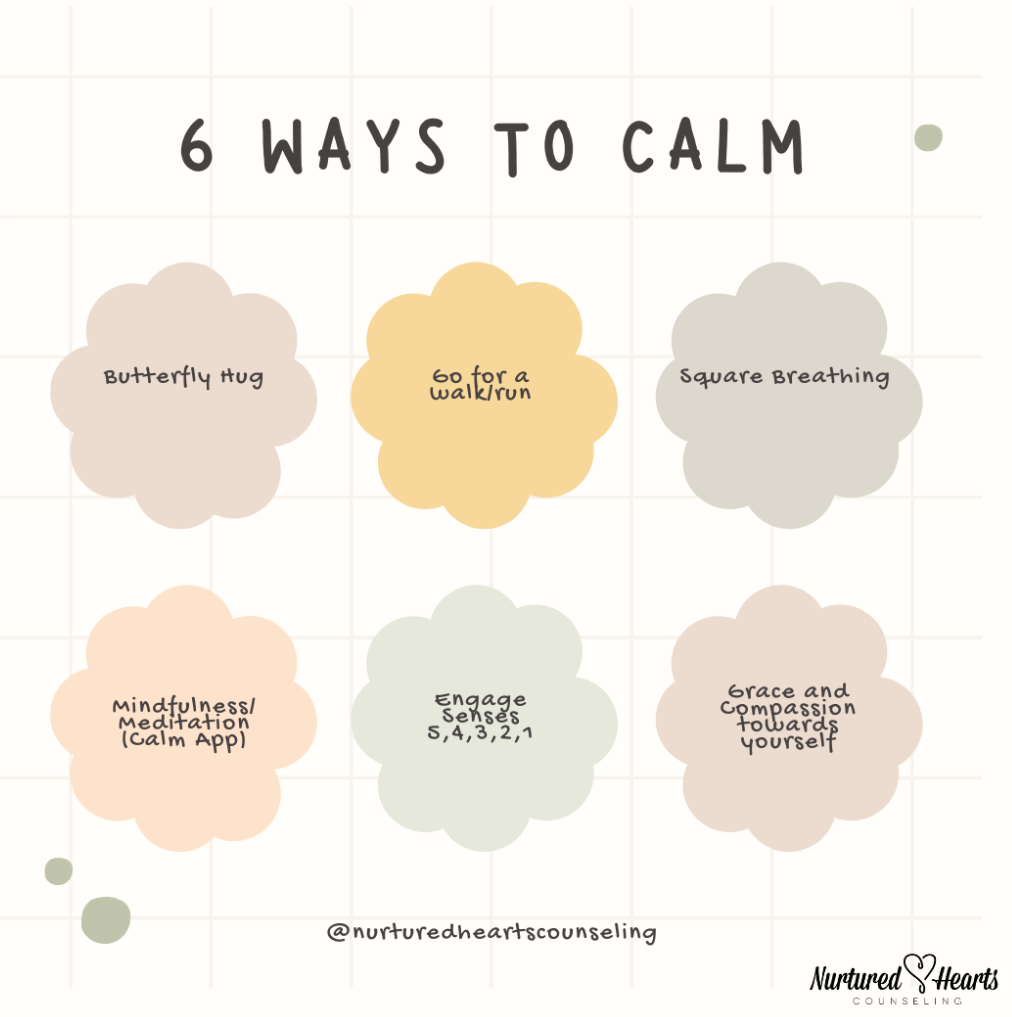
6 Ways to Calm

How Do We Heal From Trauma?
“Healing doesn't mean the damage never existed. It means the damage no longer controls your life."
- Akshay Dubey

How Trauma Affects the Body
“After a traumatic experience, the human system of self-preservation seems to go onto permanent alert, as if the danger might return at any moment.”
― Judith Lewis Herman

How Trauma Affects the Brain
“We now know that trauma compromises the brain area that communicates the physical, embodied feeling of being alive. These changes explain why traumatized individuals become hypervigilant to threat at the expense of spontaneously engaging in their day-to-day lives. They also help us understand why traumatized people so often keep repeating the same problems and have such trouble learning from experience. We now know that their behaviors are not the result of moral failings or signs of lack of willpower or bad character–they are caused by actual changes in the brain”
- Bessel A. Van Der Kolk, "The Body Keeps the Score: Brain, Mind, and Body in the Healing of Trauma"

The beliefs that block you from TRULY living.
"I am not good enough"
"I don't deserve to be loved"
"I am not strong enough"
"I am out of control"
"I don't deserve anything good in life"
"I can do better, be better"

15 Ways to Help Ease Anxiety!
Anxiety:
a feeling of worry, nervousness, or unease, typically about an imminent event or something with an uncertain outcome.
a nervous disorder characterized by a state of excessive uneasiness and apprehension, typically with compulsive behavior or panic attacks.

The feelings that keep on giving
Do you ever wish that your feelings would just go away? You just don’t have the time to deal with the emotions that are present and maybe they remind you of your past.

Hope for a Better Future
You get to be the author of your story. Your past does not have to be your definition, your identity. Can you imagine!?